Most growth problems are not caused by lack of activity. They are caused by unclear choices, weak prioritisation, or inconsistent execution. The work covers three connected areas, and most engagements draw on more than one.
Steen Helmer · Advisor
I — Growth strategy
Growth Strategy & Commercial Execution
II — Partner strategy
Partner Strategy
III — International expansion
International Expansion
I.
Growth strategy
Growth Strategy & Commercial Execution.
When growth stalls, the answer is rarely “more activity.” The answer is usually better focus, better sequencing, and better execution.
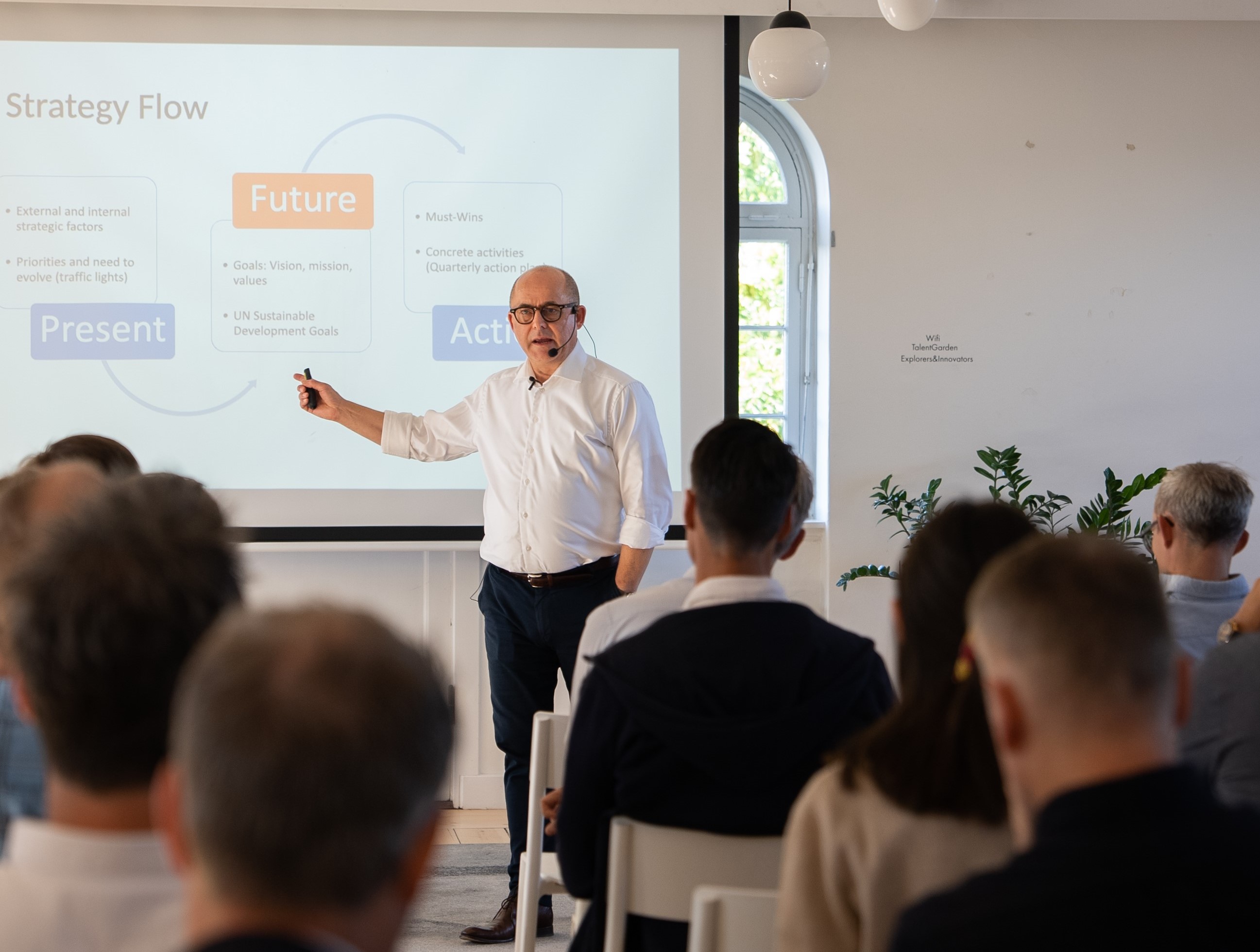
Strategy Flow · Speaking event
Questions this typically answers
Where will the next stage of growth come from?
What should we stop doing — and what should we do more of?
Is the commercial organisation set up to deliver?
How do we sharpen positioning, pricing, and ICP?
What does a credible plan look like over the next two to four quarters?
What the work usually involves
Commercial diagnosis and growth thesis
ICP, positioning, and pricing review
Go-to-market plan with measurable milestones
Sales and marketing operating model
Cadence and review structure
II.
Partner strategy
Partner Strategy.
A partner model only works when it is commercially realistic, clearly scoped, and supported by disciplined execution. Partner motion design starts with whether partners make sense at all, then moves into the work of making them produce.
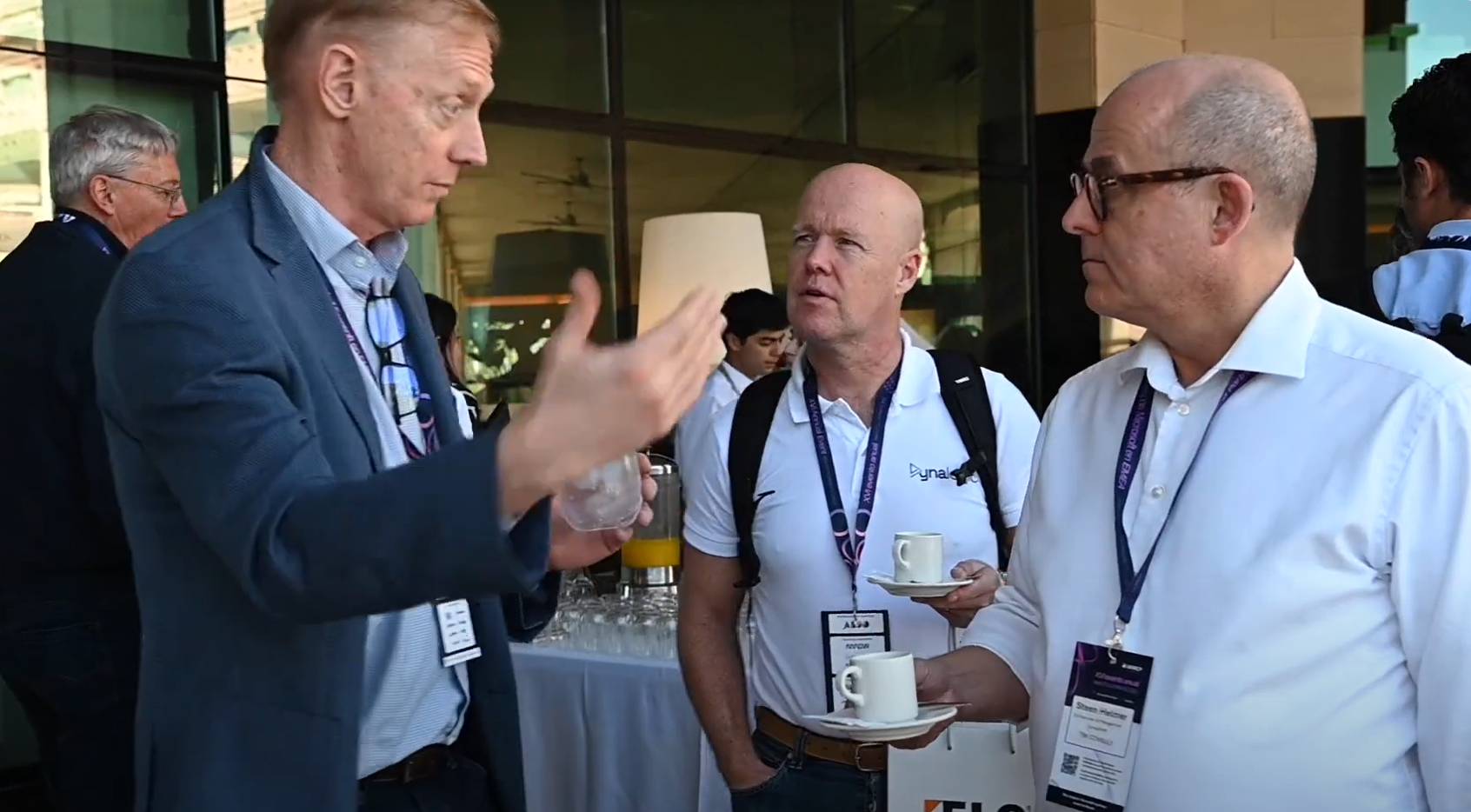
IAMCP partner conference
Questions this typically answers
Should partners be part of the growth story — and how big a part?
Why is the current partner motion not producing revenue?
How do we attract partners that actually sell?
What is the right economic model for both sides?
How do we make Microsoft, Google, Amazon, IBM or other ecosystems work for us?
Entering new markets is mainly a sequencing, model, and execution question — not a sales push. The work separates ambition from evidence, and defines the first practical move.
Working session
Questions this typically answers
Which countries should we enter, and in what order?
Direct, partner, or hybrid go-to-market?
When are we ready — and what does “ready” look like?
How do we reduce the cost of being wrong?
What is the right local first-hire profile?
What the work usually involves
Market prioritisation and entry-mode choice
Localisation plan and country roadmap
First-hire profile and partner shortlist
12-month execution plan with milestones
Pressure-testing the international thesis
The method
Every engagement follows the same five-step method: clarify the situation, find the bottlenecks, set priorities, build the action plan, and support execution. The structure is deliberately simple — the work is in the rigour at each step.
Many of these topics are also covered in the Academy.
If you would rather work through the material on your own first, the B2B Software Growth Academy covers many of these areas in self-service form — classrooms by topic, templates, and AI assistants.